The Passionate Shepherd Poems
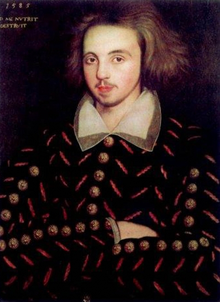
Marlowe (1564 - 1593): "The Passionate Shepherd to His Love" (p. 1022)
- About Marlowe: he was eloquent.
What is beauty, saith my sufferings, then?
If all the pens that ever poets held
Had fed the feeling of their masters' thoughts,
And every sweetness that inspired their hearts,
Their minds, and muses on admirèd themes;
If all the heavenly quintessence they still [distill]
From their immortal flowers of poesy,
Wherein, as in a mirror, we perceive
The highest reaches of a human wit;
if these had made one poem's period,
And all combined in beauty's worthiness,
Yet should there hover in their restless heads,
One thought, one grace, one wonder, at the least,
Which into words no virtue [power, ability] can digest.
- It's a pastoral, which is "Of, relating to, or being a literary or other artistic work that portrays or evokes rural life, usually in an idealized way."
- The "usually" should be "always." The Hunger Games is the most recent example.
- Marlowe makes the idealism of the genre a part of his poem.
- Question: This was the single most well-known love poem of the time; why?
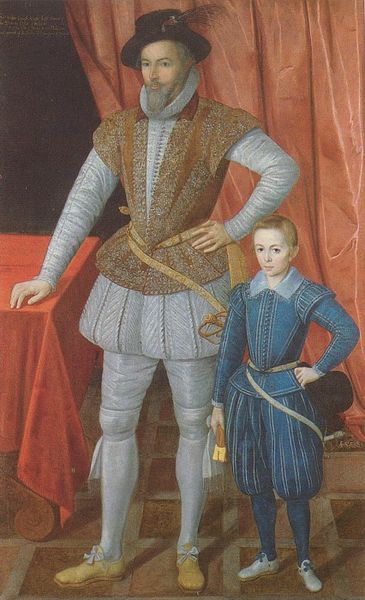
Sir Walter Ralegh (1552 - 1618): "The Nymph's Reply to the Shepherd" (p. 917)
- A little bio of Ralegh:
- Knighted 1585
- Married and imprisoned 1591
- Imprisoned 1603-1616
- Executed 1618
Ralegh's poem answers Marlowe's idealism with realism.